
By: Veronica S.

Introduction
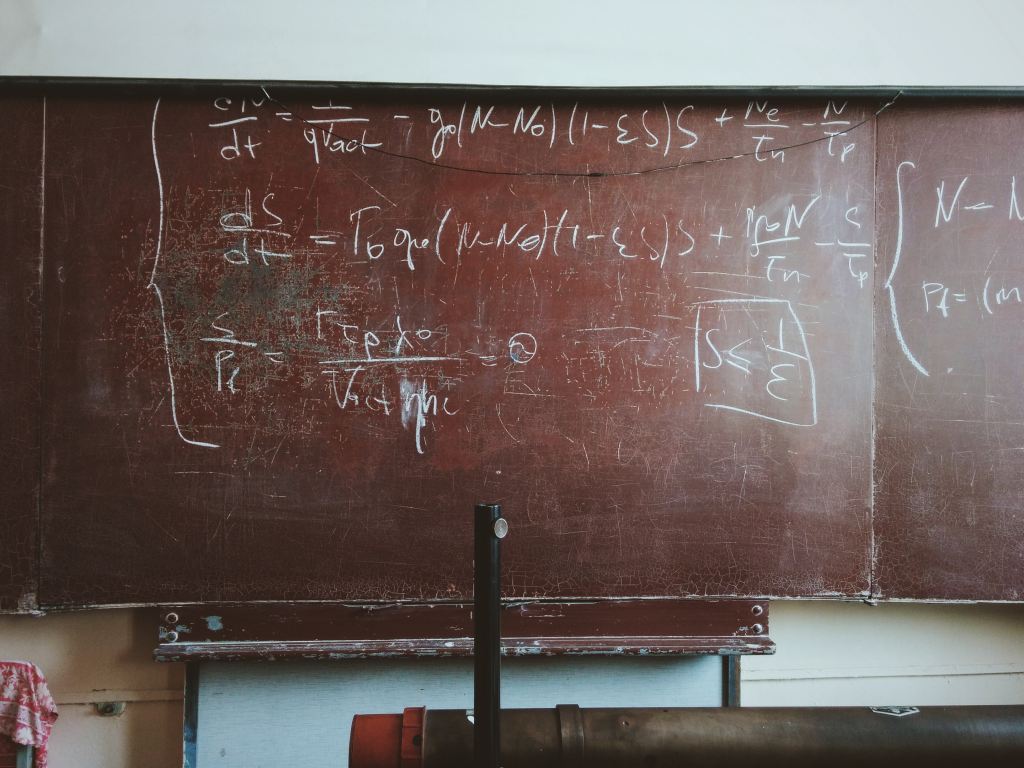
As a mathematics tutor, and student, I’ve always been drawn to the beauty and elegance of numbers, equations, and proofs. Yet, a recent conversation with numerous students from school to college settings led me to a surprising realization: sometimes, the profound knowledge that instructors acquire in their academic pursuits can inadvertently complicate their ability to explain things clearly to others. This epiphany has prompted me to propose a little idea: if you have already gotten a stunning PhD, and genuinely want to become a mentor, teacher, and professor – it would be great to receive some education in teaching, just to learn to simplify your complex endeavors.
The Complexity Conundrum
“It’s as if some professors are so deep into their subject that they forget what it’s like to be a beginner.”
Once, during a study session with my fellow math majors, we found ourselves grappling with a particularly intricate proof. Our conversation soon shifted from mathematical concepts to the way these concepts were being presented in our courses. One classmate, who had previously worked as a teaching assistant, shared an intriguing insight: “It’s as if some professors are so deep into their subject that they forget what it’s like to be a beginner.”
This sentiment struck a chord with me. Our esteemed math professors, with their extensive knowledge and research accomplishments, often dive straight into the heart of complex theorems and abstract ideas. While their expertise is unquestionable, it sometimes feels like they’re speaking a different language, leaving us students to decipher it on our own. All of us were once learners and beginners in our beloved academic areas.
The Value of Pedagogy
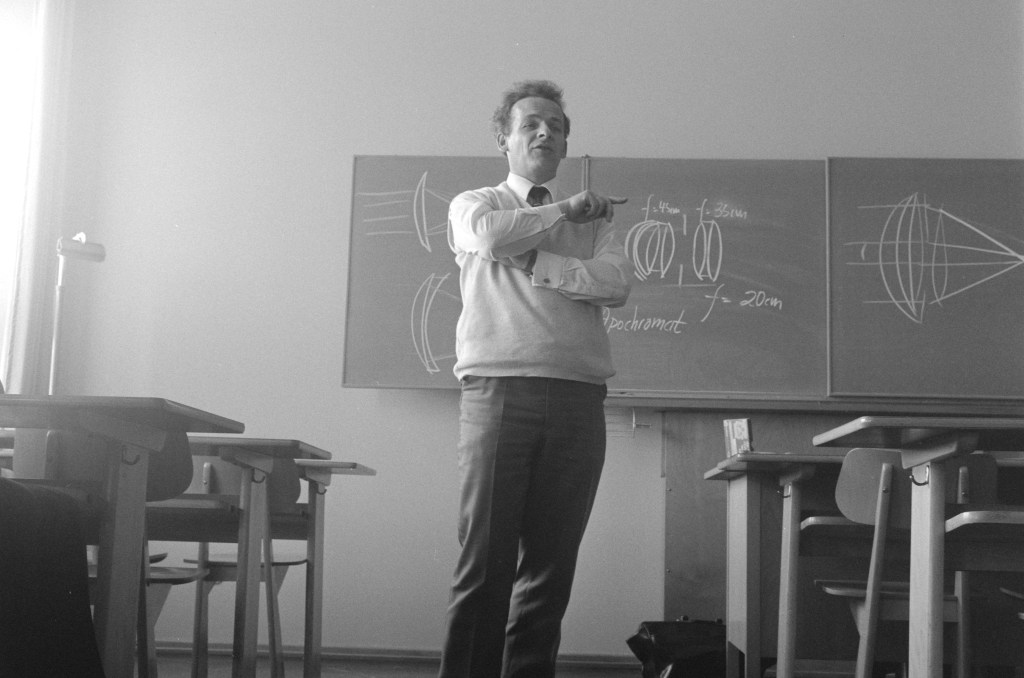
My conversation with my classmates led me to consider the role of education in every student’s academic journey – be it child or graduate, STEM–focused or Humanities – loving. It dawned on me that pursuing a deeper understanding of educational methods and pedagogy might hold the key to addressing the complexity conundrum we often encounter.
To name a few examples:
- Education courses emphasize clear and concise communication. Mastering this skill helps educators break down intricate concepts into more digestible and accessible explanations for the students.
- Learning about educational psychology and the cognitive aspects of learning can provide insights into how students process information. This knowledge can help mentors tailor their teaching methods to meet the diverse needs of learners.
- Teaching any subject, including mathematics and science, requires multiple approaches to solving problems. The problem-solving strategies learned in education courses can complement intuition and problem-solving skills of the teacher himself.
Conclusion
As a tutor and mathematician, I’ve come to appreciate the significance of combining my passion for mathematics with the art of education. While it may not be the most conventional choice, it offers a unique opportunity to bridge the gap between deep subject knowledge and ability to share that knowledge with others.
In a world where effective communication and teaching skills are increasingly valued, pursuing education alongside PhDs seems like a natural evolution of educators’ academic journeys. It’s not even about dumbing down material; it’s about finding the right language to make it accessible and inspiring for all. I am strongly convinced that though academia is unarguably an art – the ability to express our knowledge, educating, is no less a beautiful art, and a critical scientific endeavor in itself.





 Goat Notes
Leave a comment