
By: Adam A.
Private tuition has tremendous benefits, such as offering individualized attention that produces better learning outcomes or helping students achieve higher grades. Tutoring has been around for centuries, and many famous tutors throughout history have helped some of the most accomplished people in the world achieve success. Let’s journey through the ages and learn about some remarkable tutor-tutee relationships from ancient Macedonia to 19th-century New England!
Alexander the Great and Aristotle
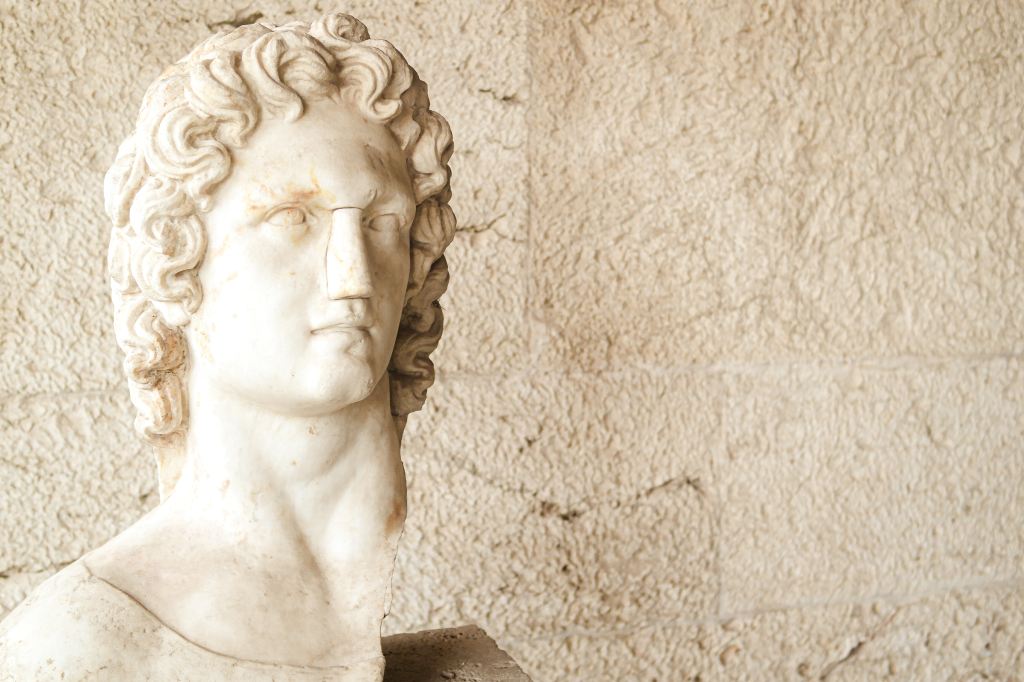
One of the most famous tutor-tutee relationships in the ancient world was that between Aristotle and Alexander of Macedon, better known as Alexander the Great. Aristotle was a Greek philosopher and scientist considered among the most learned of his time. Aristotle studied under Plato before tutoring Alexander the Great in geometry, astronomy, rhetoric, zoology, and botany. By age 30, Alexander had conquered and consolidated an empire that stretched from Greece to India.
Vittorino da Feltre and La Casa Gioiosa
The Renaissance was a time of great intellectual and artistic fluorescence in Europe. One of the most famous Renaissance tutors was Vittorino da Feltre. Vittorino was an Italian educator who helped spread the Renaissance notion of the complete man, or l’uomo universale — one who is of moral character, has a healthy body, and a wise mind.
Vittorino founded a school in Mantua where he tutored his students in Latin, music, mathematics, art, history, and poetry. Vittorino’s lessons were so enjoyable that his school became known as La Casa Gioiosa, “The House of Joy.” La Casa Gioiosa’s reputation as a happy place to study and learn spread throughout Italy, and the children of nobles from cities across the country came to Mantua to study with Vittorino. So many young nobles were educated by Vittorino at La Casa Gioiosa that it also earned the moniker of the School of Princes. Many of Italy’s scholars sent their sons to La Casa Gioiosa to study under Vittorino, and his students made significant contributions to the Renaissance.
Anne Sullivan and Helen Keller
Born in Massachusetts in 1866, Anne Sullivan suffered an eye infection as a child that initially left her unable to read or write. She would eventually attend the Perkins Institution for the Blind, where she not only achieved literacy but mastered the manual alphabet to communicate with a fellow student who was deaf and blind.
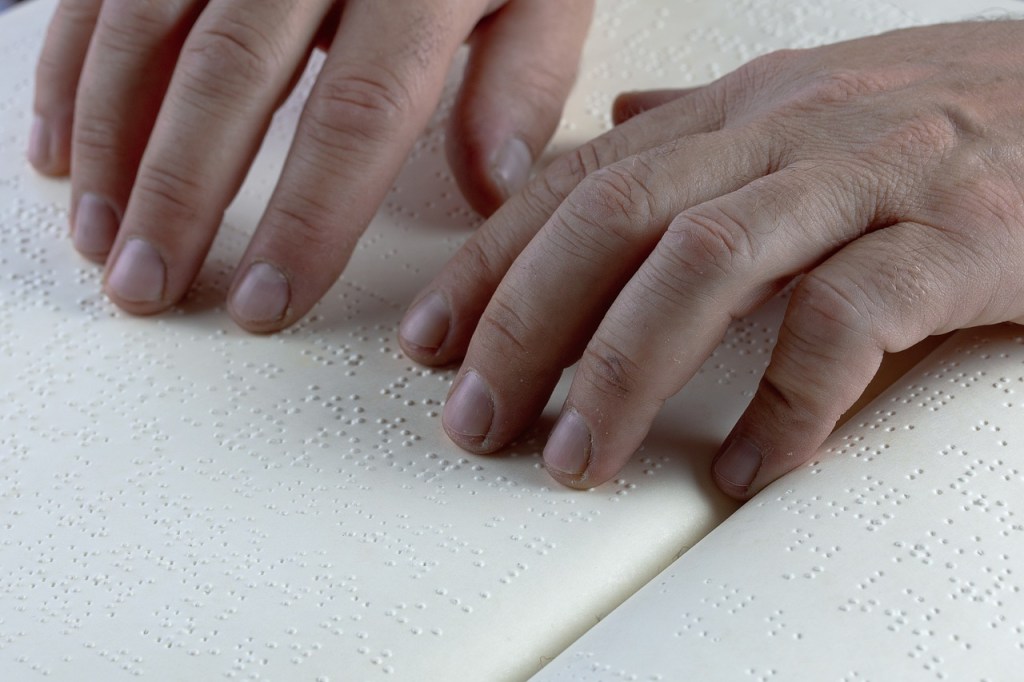
Years later, in 1887, Sullivan began a special journey with six-year-old Helen Keller. A few months before her second birthday, Keller lost her sight and hearing due to a severe illness. Under Sullivan’s tutelage and guidance, which lasted decades, Keller excelled in her studies and ultimately graduated from Radcliff College with honors. Keller would become a published author, international lecturer, and activist.
Book a lesson, and perhaps you, too, will make it into the books of history!






 Goat Notes
Leave a comment