
By: James Faulkner
We were all lost, distance teaching and learning in the first business-as-usual semesters of the pandemic. In a tutoring session one student confessed to me, after gentle prompting, that they didn’t know where the lecture recordings were, confusion that included where to find assignment instructions and the contact information of their teaching assistant.
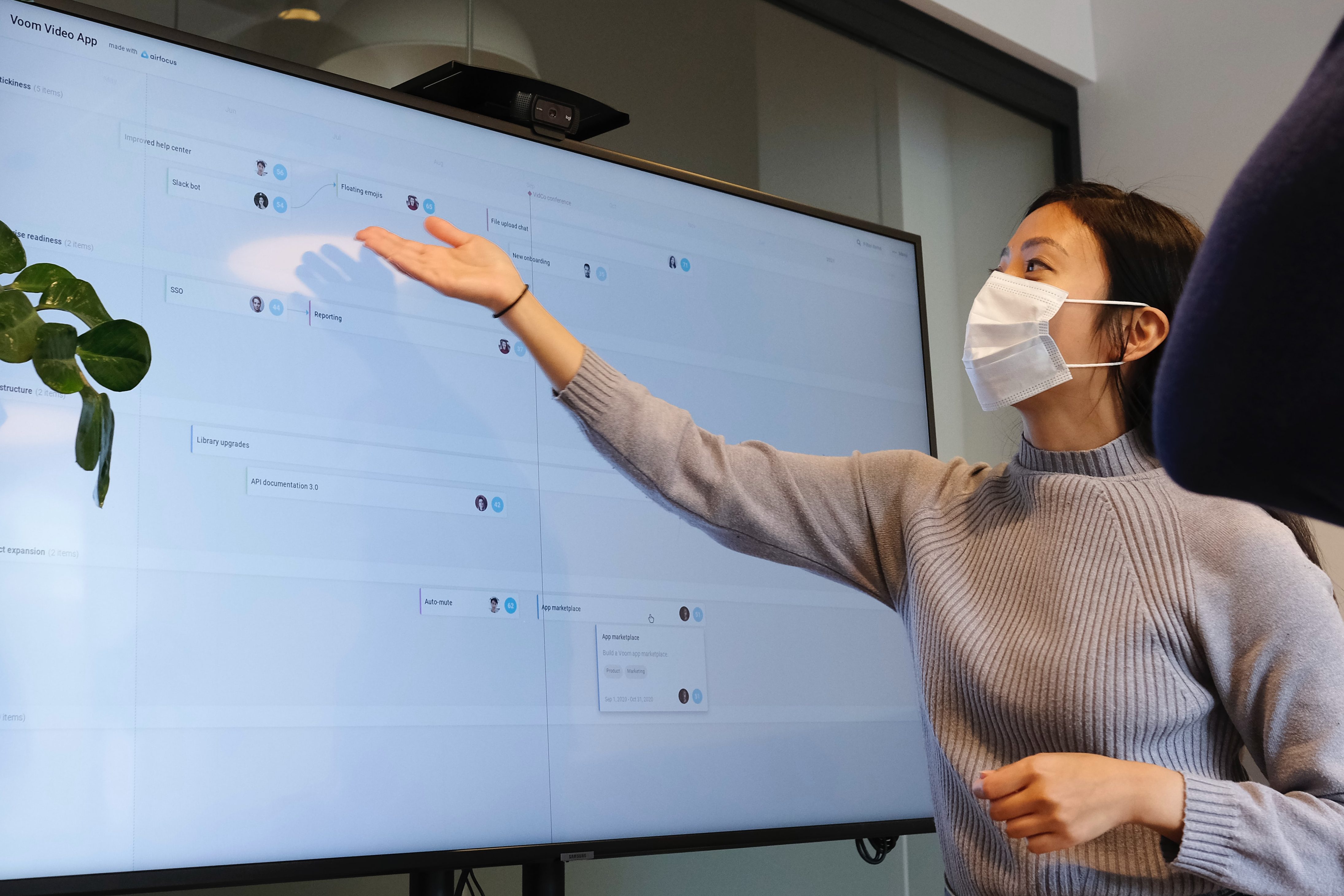
Due dates, apparently, were the only clear messaging students received in those days. Gone were those four-minute chat windows for Q and A between class periods; so too those announced and unannounced visits to open-door offices.
There was no road map. Fortunately, I knew where we were going, since I had taught this course before. I walked my student through the course pages and navigation menus of the Learning Management System (LMS). Nothing was laid out in modules, nothing was cross-referenced, and nothing was intuitively designed. You already had to know what you needed and where to find it.
But my student wasn’t alone; I was lost too, in my own way. In fact nobody in higher education had their bearings. We had lost our sacred learning spaces. Many of us also had suffered personal losses. At first, I think, educators were so concerned about slipping standards that we lost track of user experience, which in a world away we had once simply called “learning.”
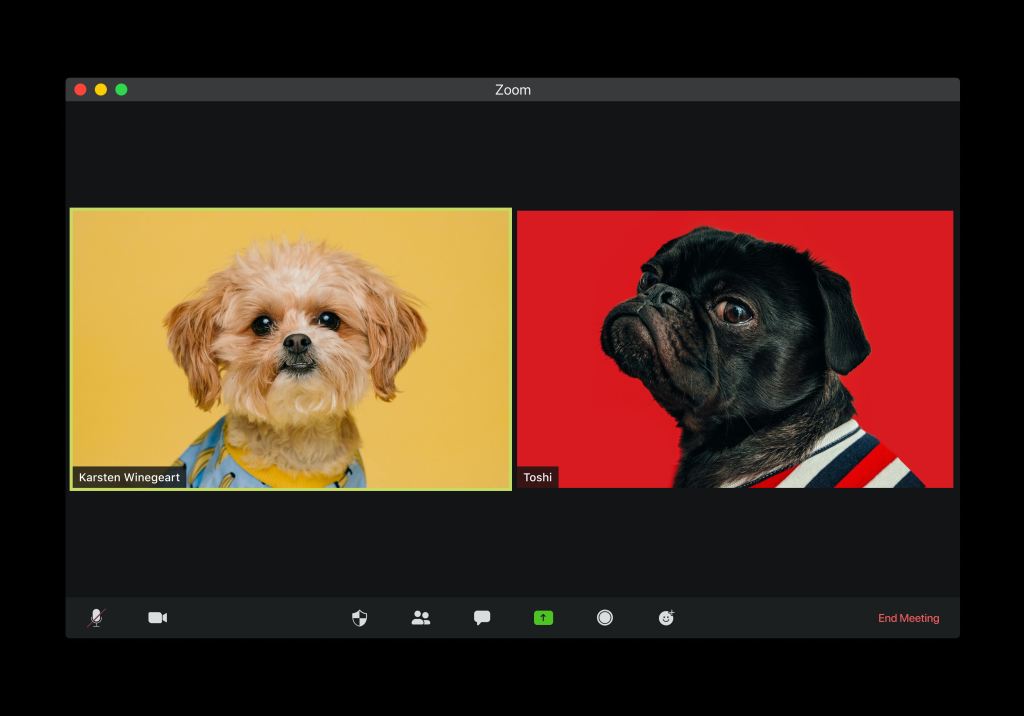
What classrooms may have lost in their sanctity they gained in flavor. As a tutor I have been Zoombombed by all manner of pets, toddlers, neighbors, friends, and other guests. (My toddler and I are just as guilty of interrupting my wife’s work calls, the pitfalls and joys of work-from-home.) And there’s been a good amount of embarrassing but innocuous content sent inadvertently over shared screens, whether in unclosed browser tabs or in banner notifications.
All the other hiccups of teleconferencing too—who could forget those? Student loses Wi-Fi connection. My laptop dies. Zoom updates unexpectedly. Someone misses the “click lock to make changes” disclaimer in Mac system preferences. “What time zone is the meeting in again?” “Does it know where I live?”
But any synchronous time together has been at a premium. And however grating distance teaching was at first, I learned so much from my students during the early-pandemic years and became a better educator as a result. Never before had I given much thought to how our students engaged with content online, how they navigated the LMS, and how they communicated with their classmates and teachers in an asynchronous environment. Student-centered pedagogy finally registered for me.
Students in those one-on-one sessions kept me grounded during disorienting times. They inspired me to think seriously about course design. They also inspired me with an array of digital workarounds that had never occurred to me.
Pandemic-era education, I think, should be characterized not by students’ learning loss but by their resilience. And by teleconferencing puppies.

I am a Boston-based educator committed to supporting and empowering students in pursuit of their personal, professional, and academic goals. Specializing in Roman literature, I earned my doctorate in classical studies at the University of Michigan, where I also taught a range of classical civilization, classical language (Latin), and world literature courses. I have tutored university students for 7 years both in content and in writing, online and in person. For me the most rewarding part of tutoring is seeing students’ growth from their first year all the way to graduation.



 Goat Notes
Leave a comment